




Economic Order Quantity EOQ

|
[edit] Introduction
Economic Order Quantity (EOQ) is an inventory management method that describes the minimum amount of inventory an organisation must have available to optimise the size of orders and their associated costs. It is frequently used in operations, logistics and supply chain management.
This purchasing and inventory management formula was developed in 1913 by Ford W. Harris. Harris was an American production engineer who worked for Westinghouse Electric. His square root formula is based on an understanding that certain key factors (demand, ordering and inventory costs) remain constant. It is one of the oldest classical production scheduling models.
[edit] Related articles on Designing Buildings Wiki
Featured articles
Check out some of the best features and news from Designing Buildings as well as key stories from around the web.
ECA responds to the Milburn Report

Youth employment to be linked to workforce demand.
The construction industry urgently needs to attract new talent
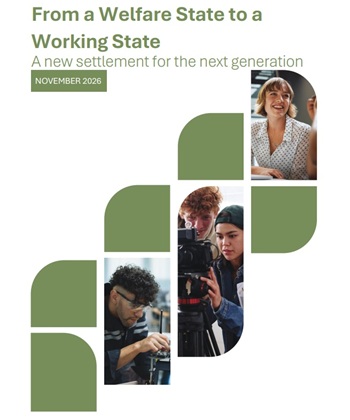
CIOB responds to Neets report.
Grenfell Tower community update

Memorial columns to be retained as careful dismantling continues.

When buildings reflected the local resources available.

CIOB reports 57% are using artificial intelligence technologies.

More of England’s ‘hidden heroes’ will be celebrated.

CIAT calls for retrofit to be a priority.

Version 6 is now available, along with guidance for ECA members.

Post-War Homes: mid-century British architecture. Book review.

CIAT reflects on the party conferences.

CIOB announce the winners of the Art of Building photography competition.

National Scheme of Delegation introduced.